
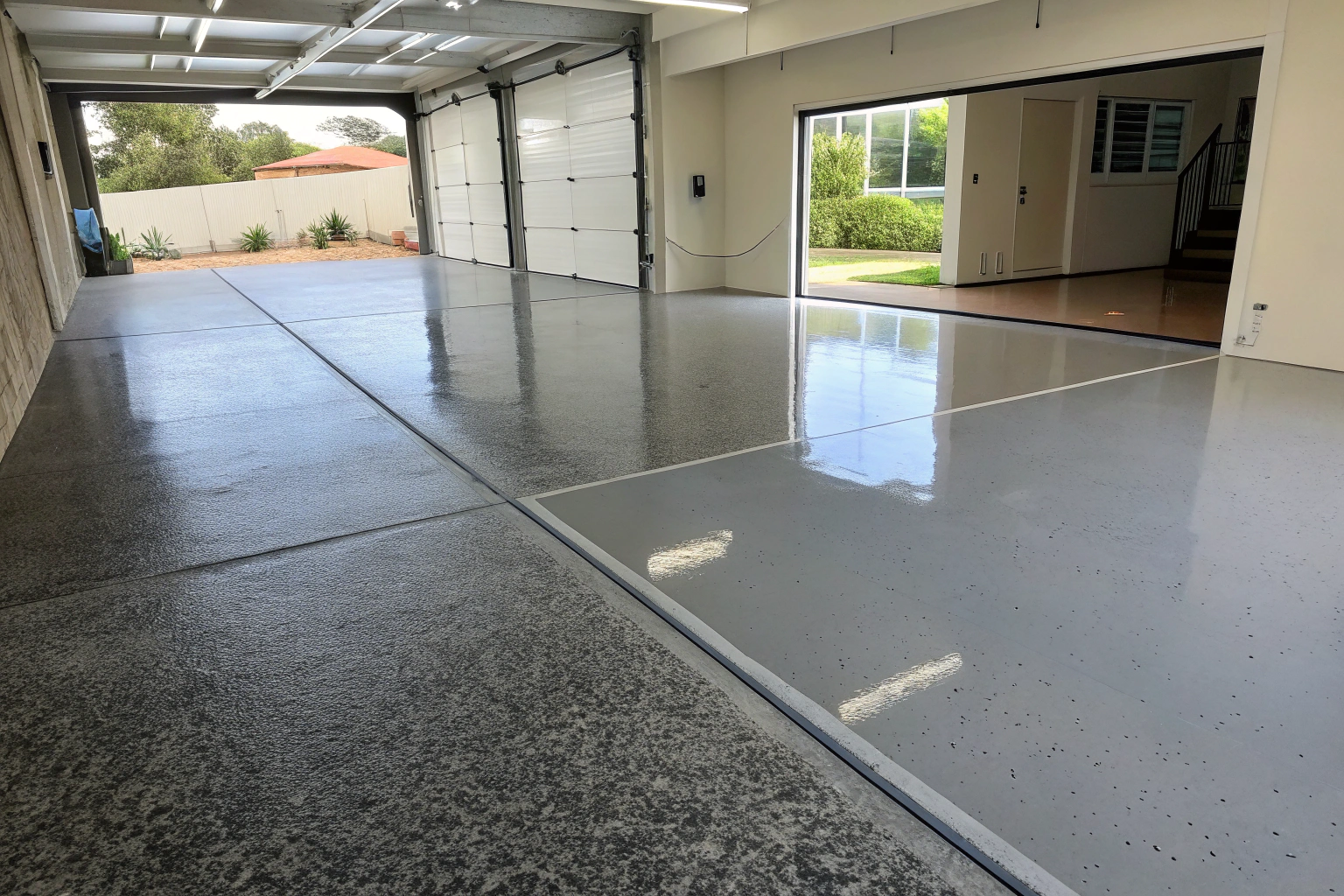
Why Epoxy Floor Recoating Is the Smart Choice for Hobart Property Owners
When a floor’s looking tired but the structure underneath is still solid, full removal is overkill. Epoxy floor recoating gives Hobart property owners a direct path back to a high-performing, good-looking floor — without the cost, the mess, or the downtime that comes with ripping out a system that’s still fundamentally doing its job.
The case for recoating comes down to a few things that matter in the real world. Cost efficiency is the obvious one — recoating costs significantly less than full removal and reinstallation, where the existing system is suitable. Minimal downtime is just as important for anyone running a business or workshop in the space — no demolition means a faster turnaround and a quicker return to use. A professional recoat also restores full chemical and slip resistance and surface integrity, so you’re not getting a compromised result. And it’s worth knowing that recoating is a genuine opportunity to upgrade the finish, change the colour, or adjust the slip resistance specification of your existing floor. Done right, it adds significant years to an investment you’ve already made.

Signs Your Epoxy Floor Needs Recoating
Most floors don’t fail overnight. The signs build up gradually — and if you know what you’re looking at, you can catch the window where recoating is still the right answer before the floor deteriorates past that point.
- Surface sheen has faded or gone completely dull in high-traffic zones, while the rest of the floor still looks reasonable.
- Topcoat is worn through in specific areas — the path from the roller door, the zone around machinery, the lane where forklifts or pallet jacks run
- Minor scuffing, scratching, or surface abrasion has accumulated to the point where the floor looks rough and is harder to clean properly.
- Colour has faded or patched unevenly due to UV exposure, chemical contact, or years of general wear.
- Surface is no longer meeting slip resistance requirements for your space, particularly in commercial or industrial environments.
- The floor looks tired, but there’s no peeling, bubbling, or delamination — the coating is still bonded, just worn
That last point is the key one. Bonded but worn is a recoating job. Peeling and lifting is a different conversation.
THE BENEFITS OF RECOATING YOUR EPOXY FLOOR INSTEAD OF REPLACING IT
Recoating an existing epoxy floor rather than replacing it outright isn’t just a budget decision — it’s often the better technical outcome too. Here’s what you get when the floor is assessed as a genuine recoating candidate:
- Cost efficiency — recoating costs significantly less than full removal and reinstallation, keeping more money in your pocket for the things that actually need it
- Minimal downtime — no demolition or removal of the existing coating means a faster installation window and quicker return to use for your workshop, garage, or commercial space
- Performance restoration — a correctly recoated floor recovers full chemical resistance, slip resistance, and surface integrity
- Finish upgrade — recoating is a chance to change the colour, finish, or slip resistance specification of the existing floor to better suit how the space is used today
- Extended floor life — a professional recoat adds significant service life to an epoxy investment you’ve already made
Change the Finish, Colour, or Slip Rating When You Recoat
A recoat isn’t just about restoring what was there before — it’s a genuine opportunity to upgrade how the floor performs and how it looks. A lot of Hobart property owners use the recoating process to make changes they wish they’d made the first time around.
Finish options can be updated at the recoating stage. If the existing floor was laid with a flat, utilitarian finish and you want something that presents better — a gloss finish for a showroom, a satin for a garage that doubles as a living space — that’s a straightforward change to make.
Colour can be changed entirely. You’re not locked into what was laid originally.
Slip resistance can be upgraded by introducing a grit additive into the new topcoat — a common requirement for commercial kitchens, workshops, and wet areas that need to meet AS 4586 anti-slip ratings.
If the floor needs a recoat anyway, getting the specification right for the next decade of use just makes sense.
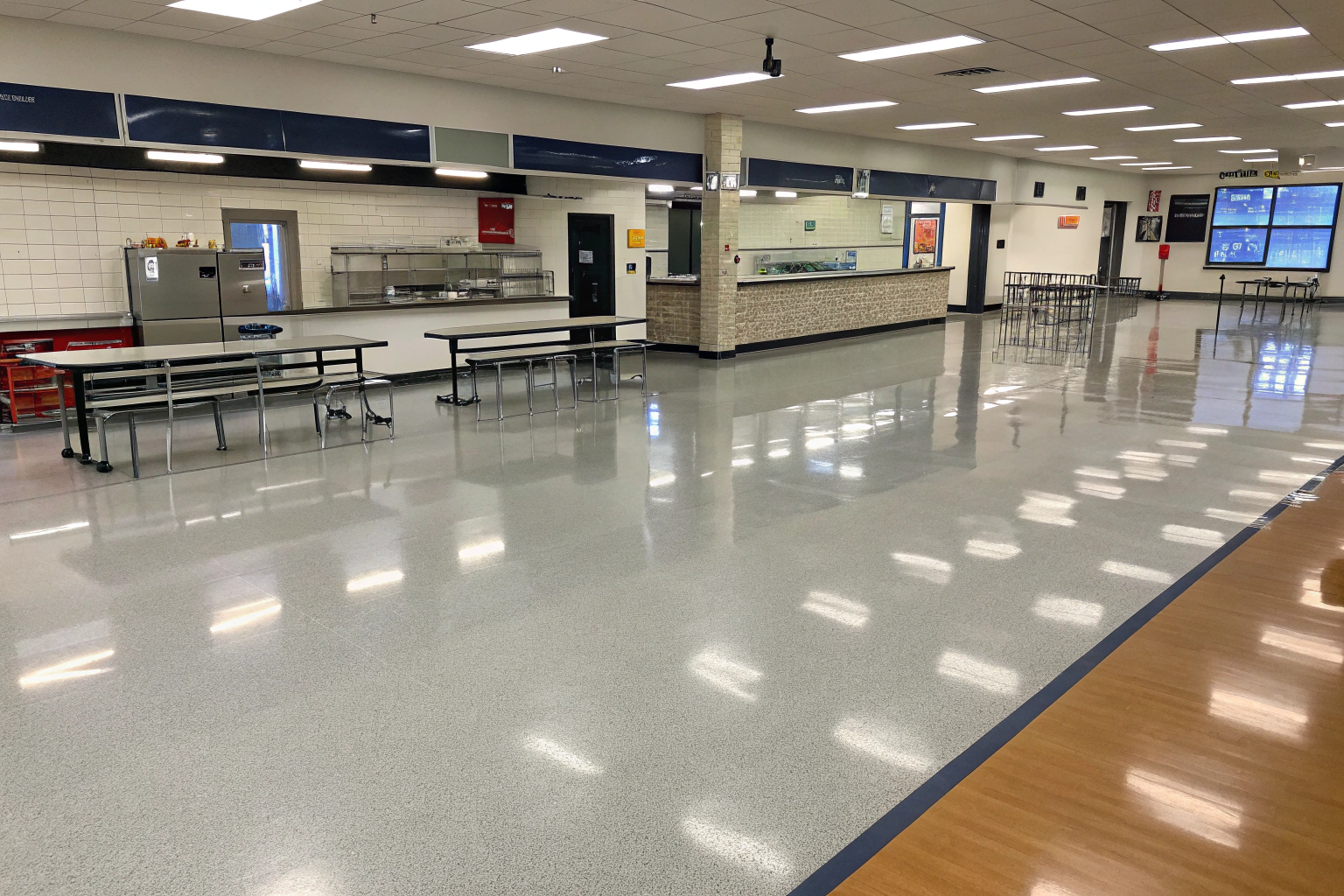
Recoating vs Full Replacement — What’s the Right Call for Your Floor?
| Recoating Is the Right Call When… | Full Replacement Is the Right Call When… |
|---|---|
| The existing epoxy system is still properly bonded to the substrate with no delamination, bubbling, or widespread peeling. The concrete beneath is sound, moisture isn’t driving through the slab, and surface contamination is manageable through preparation rather than removal. The coating has worn through normal use — faded, scuffed, or thinned in high-traffic zones — but the system as a whole is still structurally intact. In these circumstances, recoating delivers a full performance restoration at significantly less cost and disruption than starting from scratch. | The existing system has delaminated across meaningful areas, moisture is actively driving through the slab, or contamination has penetrated too deeply to treat through surface preparation alone. Where the coating has been built up through multiple previous recoats to a thickness that creates adhesion or level issues, full removal is the cleaner path. A recoat applied over a compromised system won’t fix the underlying problem — it’ll fail in the same places, often faster. Full replacement costs more upfront, but it’s the right investment when the substrate or existing system can’t support another coat. |
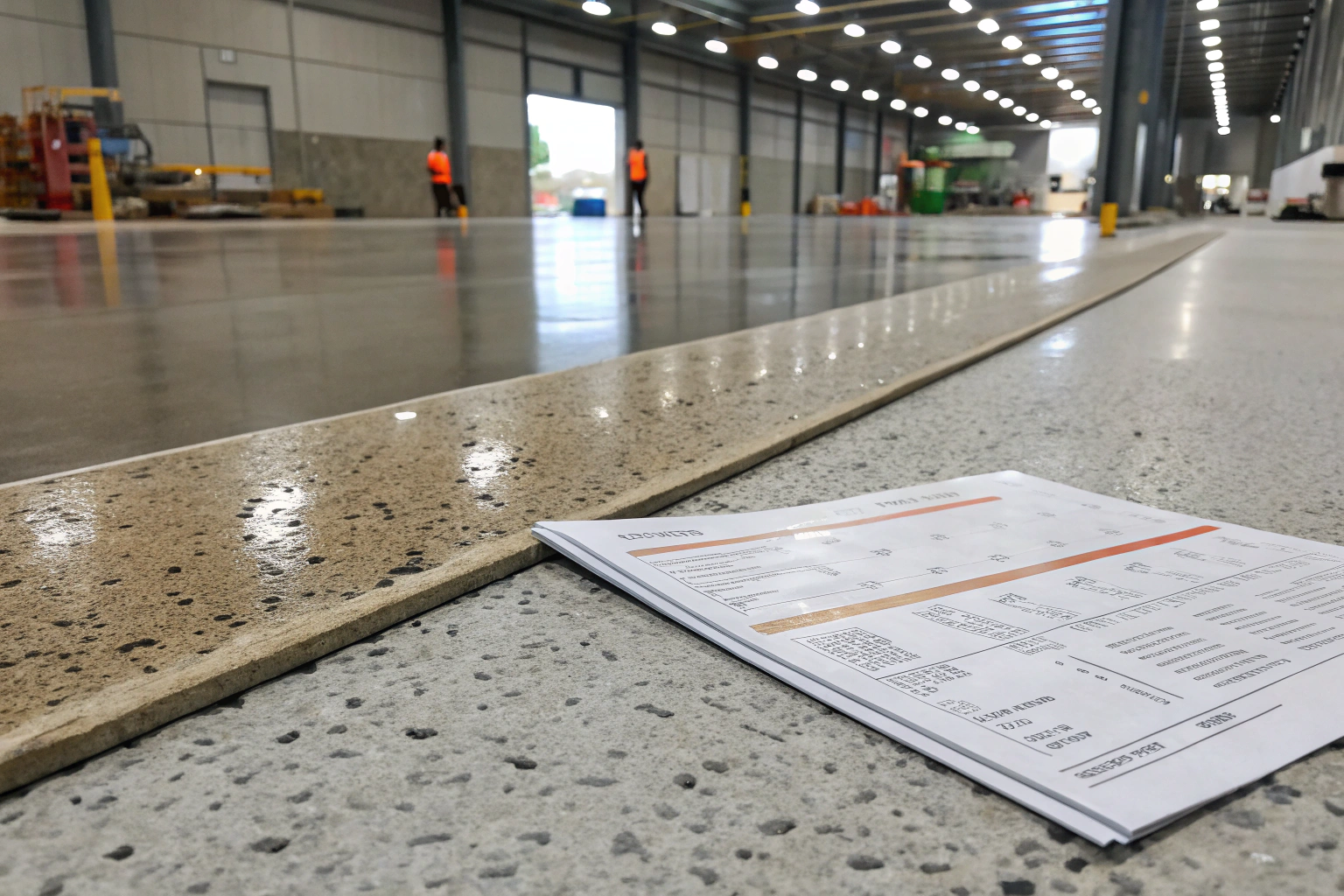
Surface Preparation for Epoxy Recoating — Why It’s Non-Negotiable
The single biggest reason recoated epoxy floors fail prematurely isn’t the product — it’s the preparation. A new coat applied over an existing epoxy surface that hasn’t been properly opened up will delaminate just as readily as one applied to unprepared bare concrete. The chemistry is the same. The adhesion requirement is the same. The preparation standard has to match.
Professional recoating preparation involves mechanical grinding to open the existing epoxy surface and give the new coat something to bond to. Where surface contamination from oils or chemicals is present, it gets treated before anything goes down. Cracks or localised damage in the existing coating get addressed at this stage too.
There’s no shortcut worth taking here. A recoat that skips proper mechanical preparation might look fine for six months. Then it starts lifting at the edges, bubbling in the traffic zones, and peeling away from exactly the areas that cop the most use — and you’re back to square one. Preparation is what separates a recoat that lasts a decade from one that fails inside a year.
The Right Epoxy System for Your Recoating Job — Solvent-Based, Water-Based, or Polyurethane Topcoat
The product system applied at the recoating stage matters as much as the preparation work that precedes it. Not every epoxy system suits every recoating situation, and the right call depends on the environment, the existing coating, and what the floor needs to do.
Water-based epoxy systems are well-suited to residential garages and light commercial environments. Lower odour, faster return to use, and good performance in spaces with adequate but not extreme chemical exposure.
Solvent-based epoxy systems deliver a harder, more chemically resistant finish and are better suited to workshops, industrial floors, and environments where the floor takes a serious daily beating. They require adequate ventilation during application and a longer cure window.
Polyurethane topcoats are applied over an epoxy base and deliver superior UV stability, abrasion resistance, and surface hardness. For Hobart commercial floors, hospitality environments, and any space where the previous coating faded or wore through faster than expected, a polyurethane topcoat over the recoated epoxy base is worth the additional investment.
The assessment stage determines which system is appropriate — not the other way around.
Frequently Asked Questions About Epoxy Floor Recoating in Hobart
If the existing coating is still bonded to the substrate with no delamination, bubbling, or widespread peeling, and the concrete beneath is sound, recoating is likely the right path. A professional assessment confirms it.
A professionally recoated floor in a typical Hobart garage or workshop environment will last 8–15 years, depending on traffic levels, preparation quality, and the system applied. Proper preparation is the single biggest factor in longevity.
Yes. Recoating is a straightforward opportunity to change the colour, finish, or slip resistance specification of the existing floor. You’re not locked into what was originally installed.
Yes. Mechanical grinding to open the existing epoxy surface is non-negotiable. A recoat applied without proper preparation will delaminate in the same way as a new coat applied to unprepared concrete.
No. Peeling and bubbling indicate adhesion failure in the existing system. Recoating over a delaminating floor won’t resolve the underlying problem — full removal is the correct answer in those circumstances.
Book Your Epoxy Floor Recoating Assessment in Hobart Today
If your epoxy floor is looking worn, faded, or past its best — don’t assume the whole thing needs to come out. The right starting point is an honest assessment of what’s actually there, and that’s exactly what Clear Cut Epoxy Flooring provides to property owners, workshop operators, and facilities managers across Greater Hobart.
We’ll look at the existing system, assess the substrate, and give you a straight answer on whether recoating is the right solution or whether something more is needed. No pressure, no upselling, no recoat sold on a floor that won’t hold it. If recoating is the right call, we’ll tell you what’s involved, which system suits your floor, and what the job will cost — clearly and upfront.
Get in touch today for a no-obligation recoating assessment. We service residential, commercial, and industrial properties across Hobart, Glenorchy, Moonah, Clarence, Rosny Park, Kingston, and surrounding areas.
Call us today or fill in the quote form to get started.
