
Why Converting to Epoxy Is an Upgrade, Not Just a Fix
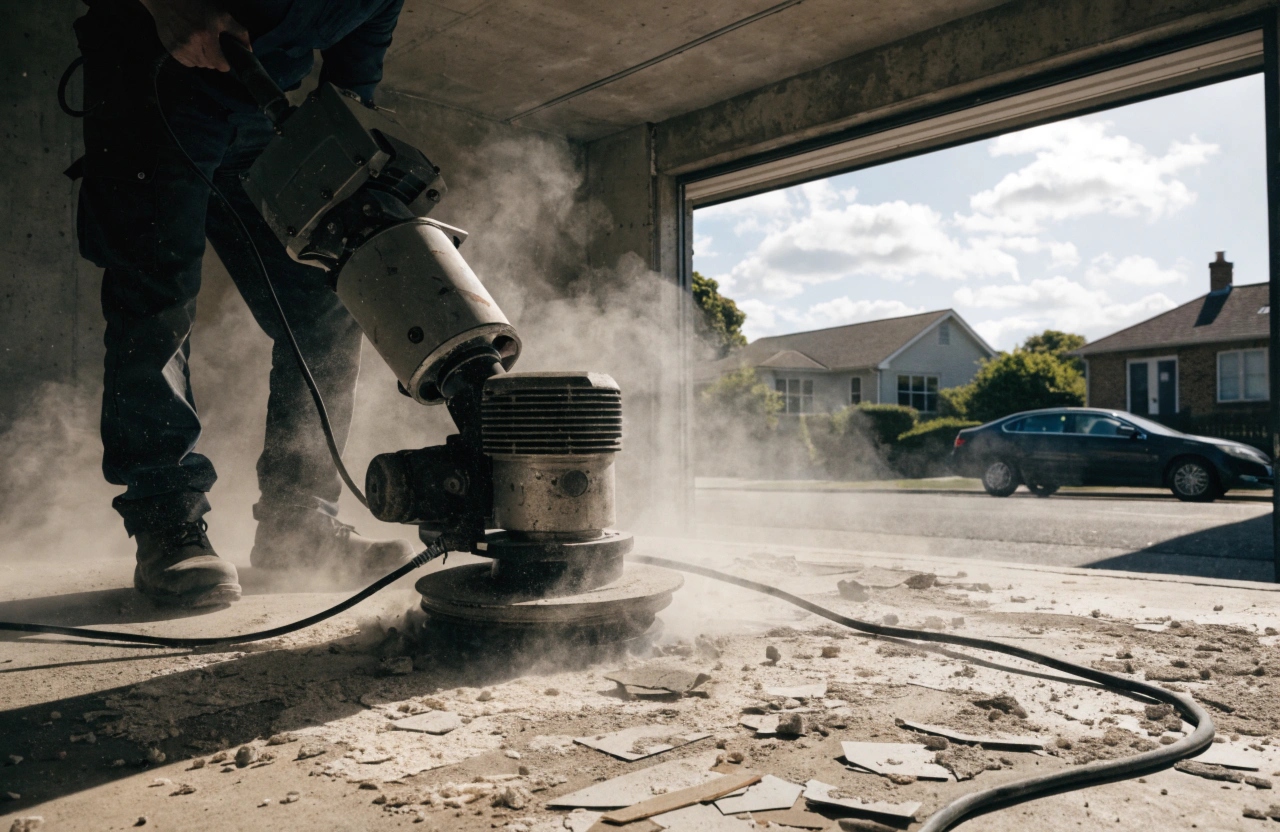
Most floor replacements happen because something has failed. A tile has cracked, the vinyl is lifting at the edges, the painted concrete is peeling in sheets. But converting old floors to epoxy systems delivers something a like-for-like replacement never could — a genuine performance upgrade across every measure that matters.
Here’s what the conversion delivers:
• Complete surface renewal — the failing floor is gone entirely, replaced with a modern system engineered for the specific demands of your space, not whatever was cheapest when the building was put up
• Performance upgrade — epoxy outperforms tiles, vinyl, painted concrete, and carpet on durability, hygiene, chemical resistance, and day-to-day maintenance in most residential and commercial applications
• Single contractor solution — we manage removal of the existing floor and installation of the new epoxy system as one coordinated scope, removing the hassle of engaging and coordinating separate trades
• Substrate assessment included — once the old floor comes up, we do a full assessment of the concrete substrate underneath, identifying and addressing any issues before the new system goes down
• Finish flexibility — converting opens up the full range of epoxy finish options, including decorative systems that simply aren’t available as overlays on whatever surface was there before
For Hobart properties especially — where older builds and cold, damp winters put real pressure on floor surfaces — converting to epoxy rather than replacing like-for-like is the decision that pays off over the long run.

Floor Types We Convert to Epoxy Across Hobart Properties
Converting old floors to epoxy works across a wide range of existing surface types. Each comes with its own removal and preparation requirements, and knowing what’s involved upfront is part of how we keep the project on track.
Every floor type has a clear process. None of them are obstacles — they’re just the starting point.
How the Conversion Process Works
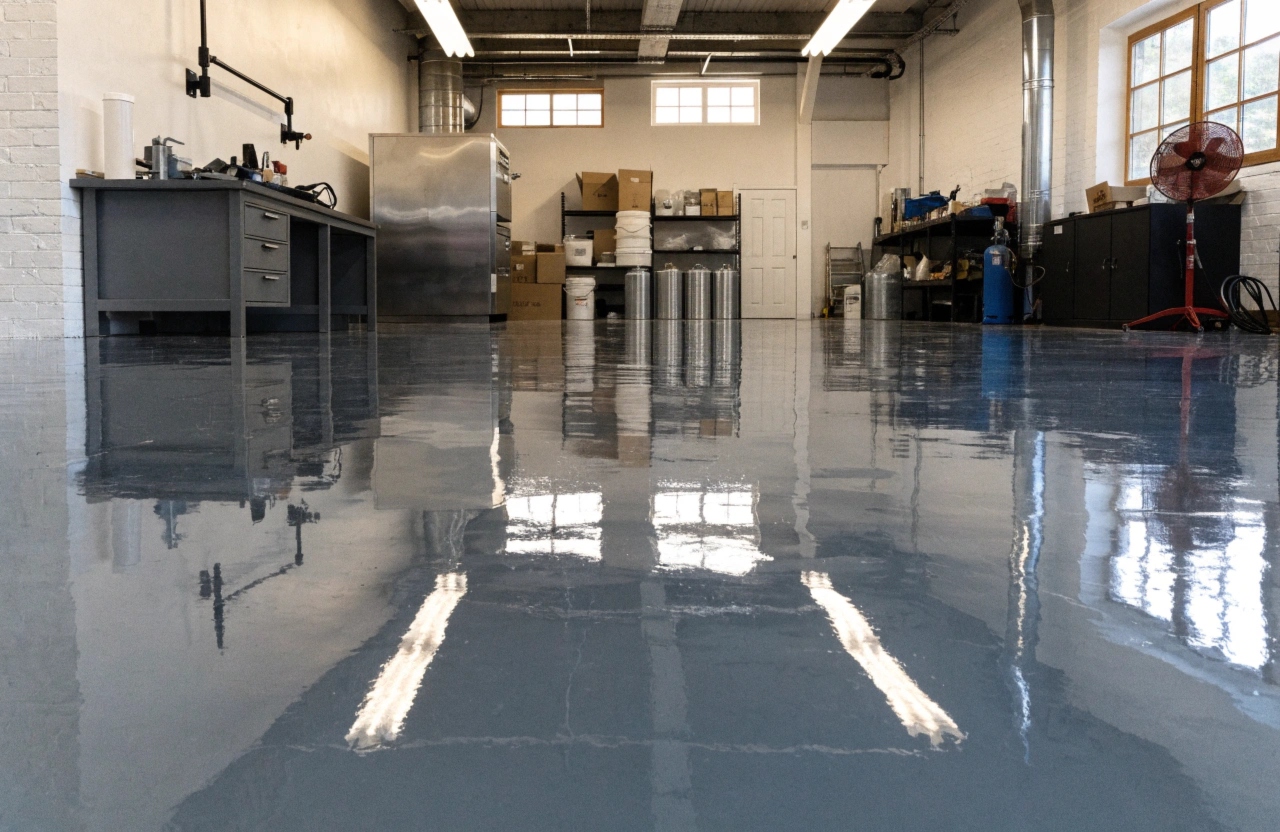
Converting old floors to epoxy systems is a coordinated single-scope job, not two separate projects stitched together. Here’s how it runs from start to finish.
Existing Floor Assessment
We start with a proper look at what’s there — the existing floor surface, its condition, how it’s adhered, and what’s likely underneath. This is where hazardous material risks are flagged and substrate unknowns are identified before any work begins.
Removal and Disposal
The existing floor covering is removed and disposed of. Whether that’s tiles, vinyl, carpet, timber, or painted concrete, we handle the full strip-out as part of the conversion scope.
Substrate Inspection and Preparation
Once the old floor is up, the concrete substrate is inspected thoroughly. This is the step that separates a properly managed conversion from a rushed one — the condition of the concrete determines everything that follows.
Crack and Defect Repair
Any cracks, holes, low spots, or surface defects in the concrete are repaired before any product goes down. Skipping this step is how you end up with an epoxy system that reflects every flaw in the floor beneath it.
Primer Application
The appropriate primer is applied based on substrate condition, porosity, and moisture readings. In Hobart’s climate, moisture management at this stage is particularly important.
Epoxy System Installation
The chosen epoxy system is installed to specification — whether that’s a functional single-colour system, a broadcast flake floor, or a decorative finish.
Topcoat
A durable topcoat is applied to seal and protect the finished system for the long term.
Epoxy Finish Options Available Through Conversion
One of the real advantages of a full conversion over a surface overlay is what it opens up in terms of finish options. When the old floor comes up and you’re working with a properly prepared concrete substrate, the full range of epoxy systems becomes available — not just whatever could be applied over the top of what was there before.
Functional Single-Colour Systems
The workhorse option for commercial and industrial spaces. A solid-colour epoxy system in a practical finish — gloss, satin, or low-sheen — that delivers durability, hygiene, and easy cleaning without the decorative premium. Common across Hobart workshops, warehouses, and commercial kitchens.
Broadcast Flake Systems
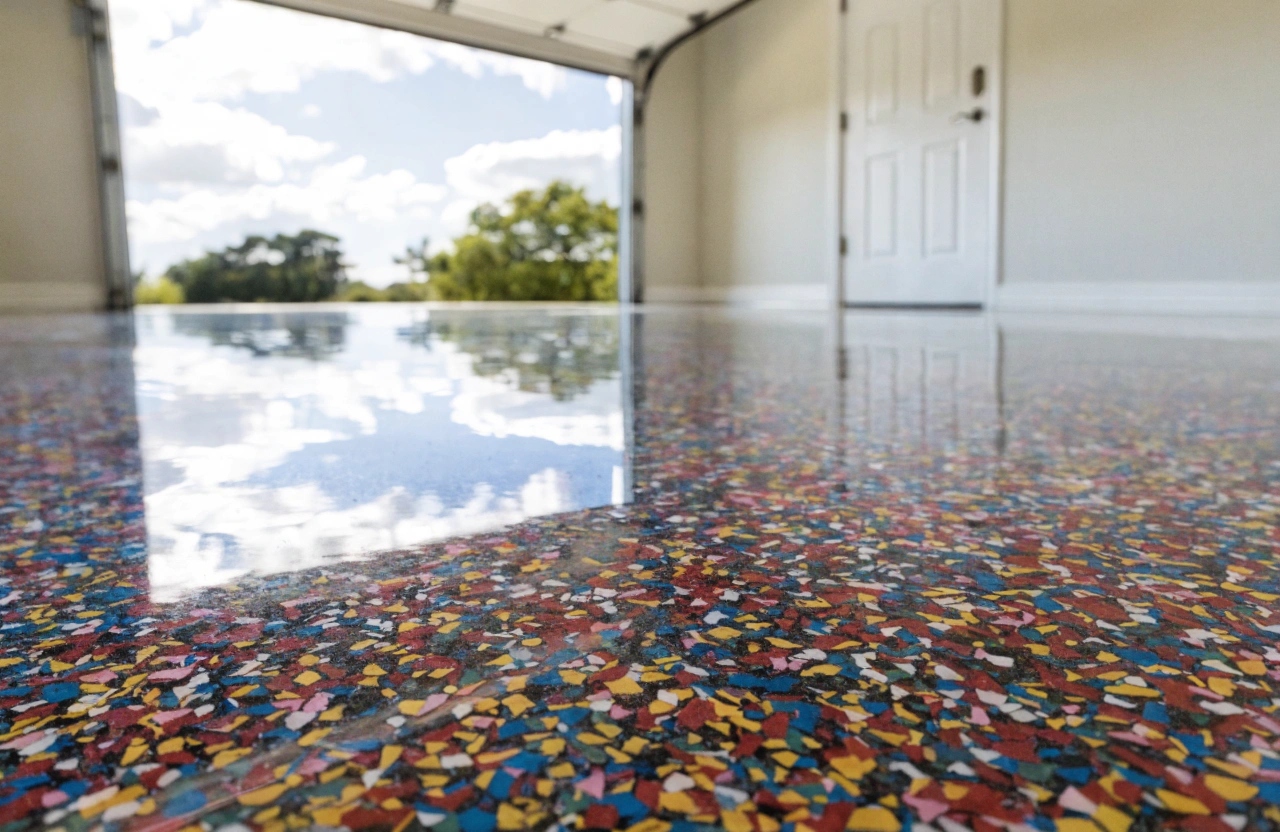
Coloured flake broadcast into the epoxy base coat delivers a textured, slip-resistant finish with strong visual appeal. Popular for residential garages, retail spaces, and showroom floors across the Hobart area. Highly durable and significantly more forgiving on surface minor imperfections than solid-colour systems.
Metallic Epoxy Systems
A decorative poured finish that creates a fluid, high-gloss surface with depth and movement. Common in hospitality, retail, and high-end residential applications — particularly in Hobart’s growing boutique accommodation and café sector.
Anti-Slip and Safety-Rated Systems
For commercial kitchens, food production spaces, and any environment with WorkSafe or compliance obligations, anti-slip aggregate can be incorporated into the finish coat to meet AS/NZS slip resistance ratings.
Who This Service Is For
Converting old floors to epoxy systems suits a wide range of Hobart property owners and operators — and the decision looks slightly different depending on where you’re coming from.
Residential homeowners dealing with a garage, basement, or internal concrete floor that’s been covered by failing vinyl or tiles for decades. The conversion gives you a finished floor that’s genuinely functional, easy to maintain, and adds real presentation value — relevant in a Hobart property market where well-presented homes command a meaningful premium.
Workshop and shed owners across Glenorchy, Moonah, Clarence, and the peri-urban fringe who are running a business or serious hobby from a space with a floor that has deteriorated to the point of being a practical problem — dusty, stained, cracking, or no longer cleanable to a standard you’re comfortable with.
Commercial and hospitality operators fitting out or refreshing a space in Hobart’s growing café, restaurant, and accommodation sector. Converting an old vinyl or tiled floor to a modern epoxy system delivers hygiene compliance, visual quality, and durability in one job.
Facilities managers and property investors managing older Hobart commercial stock where the existing floor surface has reached end of life and a like-for-like replacement would be a short-term fix at best.
Anyone who has had a failed DIY or underprepared epoxy install on top of an existing floor and now understands why surface preparation and proper removal matter. Starting fresh with a full conversion done properly is the fix that actually lasts.
Frequently Asked Questions — Floor Conversion to Epoxy in Hobart
In most cases, yes — and for good reason. Applying epoxy over an existing failing floor surface introduces the risk of the old floor continuing to fail underneath the new system, which compromises the bond and the longevity of the finish. A full conversion that removes the existing surface and prepares the concrete substrate properly is the approach that delivers a result built to last. It’s more work upfront, but it’s the difference between a floor that performs for 15 years and one that starts lifting within 18 months.
Most residential conversion projects across Hobart — a single garage or internal room — are completed within two to three days from strip-out to finished topcoat. Commercial projects with larger floor areas or more complex substrate conditions will take longer, and we factor that into the schedule and scope upfront. Cure times vary depending on the epoxy system and temperature, and Hobart’s cooler climate is something we account for in our product selection and application timing. We’ll give you a realistic timeline at the assessment stage, not an optimistic one.
If hazardous materials are identified or suspected, we pause mechanical work and recommend licensed testing and removal before proceeding. This protects you, our crew, and anyone else who uses the space. It adds a step to the project timeline, but it’s non-negotiable on any responsible conversion job in older Hobart buildings. We identify the risk early so there are no surprises mid-project.
Yes, provided moisture management is handled properly at the preparation stage. Hobart’s climate means we test for moisture vapour in the slab before any product goes down, and where moisture levels are elevated, we specify appropriate primers and moisture-tolerant systems. Skipping this step is one of the main reasons epoxy floors fail in Tasmanian conditions, and it’s something we take seriously on every conversion project. The right system, applied correctly over a properly prepared substrate, performs well in Hobart’s climate year-round.
Get a Conversion Assessment and Quote for Your Hobart Property
If your floor has served its time, converting old floors to epoxy systems is the upgrade that replaces the problem with something genuinely better — not just a patch over what was already failing.
We work with homeowners, workshop operators, commercial tenants, hospitality businesses, and property managers across greater Hobart — from Glenorchy and Moonah through to Clarence, Kingston, the Eastern Shore, and beyond. Whether you’re dealing with cracked tiles, lifting vinyl, deteriorated painted concrete, or carpet that needs to go, we can assess the existing floor, advise on the most appropriate epoxy system for the space, and manage the full conversion from strip-out to finished install.
The assessment includes an honest evaluation of the existing floor condition, the concrete substrate underneath, any hazardous material considerations relevant to your building’s age, and the most appropriate epoxy system for your space and how it’s used. No assumptions, no one-size-fits-all recommendation — just a clear scope and a straight quote based on what’s actually there.
What to expect when you get in touch:
• A prompt response and a scheduled site assessment at a time that suits you
• Honest advice on the condition of your existing floor and what the conversion involves
• A clear, itemised quote covering removal, substrate preparation, and epoxy installation
• Guidance on finish options, cure times, and what to expect through the process
Get in touch today to book your conversion assessment. The floor you’ve been putting up with doesn’t have to stay.
